Navigating the New Age of Retail: Innovations and Trends
The retail industry is undergoing a remarkable transformation as it adapts to the evolving preferences of consumers in a rapidly changing environment. As shoppers increasingly seek convenience, personalization, and unique experiences, retail shops are innovating in various ways to meet these demands. This article examines the latest trends and innovations that are shaping the future of retail, focusing on how different types of shops are responding to the challenges and opportunities of this new landscape.
One of the most prominent trends in retail today is the integration of technology into the shopping experience. Retailers are leveraging advancements such as artificial intelligence (AI), augmented reality (AR), and mobile applications to enhance customer engagement and streamline operations. For instance, clothing stores are utilizing virtual fitting rooms that allow customers to try on clothes digitally before making a purchase. This technology not only improves the shopping experience but also reduces the likelihood of returns, which can be costly for retailers.
Additionally, many retailers are implementing AI-driven chatbots on their websites and mobile apps to provide instant customer support. These chatbots can assist shoppers in finding products, answering questions, and even offering personalized recommendations based on browsing history. By providing immediate assistance, retailers can enhance customer satisfaction and create a more seamless shopping experience.
As e-commerce continues to thrive, many retail shops are adopting an omnichannel approach, blending online and offline experiences to cater to the diverse needs of consumers. Grocery stores, for example, are increasingly offering online ordering and curbside pickup options, allowing customers to shop conveniently while still supporting their local businesses. This flexibility caters to busy lifestyles, ensuring that shoppers have access to their favorite products without the hassle of traditional grocery shopping.
Moreover, the rise of social media has had a profound impact on retail strategies. Many shops are now using platforms like Instagram and TikTok to showcase their products in creative and engaging ways. By leveraging influencer partnerships and user-generated content, retailers can reach broader audiences and build brand awareness. This trend is particularly evident in the beauty and cosmetics industry, where brands frequently collaborate with influencers to promote their products and drive sales.
Sustainability is another key trend reshaping the retail landscape. Consumers are increasingly prioritizing eco-friendly products and practices, prompting many retailers to adopt more sustainable approaches. Clothing stores, for example, are focusing on ethical sourcing and manufacturing processes, offering collections made from organic materials or recycled fabrics. By promoting transparency in their supply chains, retailers can attract environmentally conscious consumers who value sustainability.
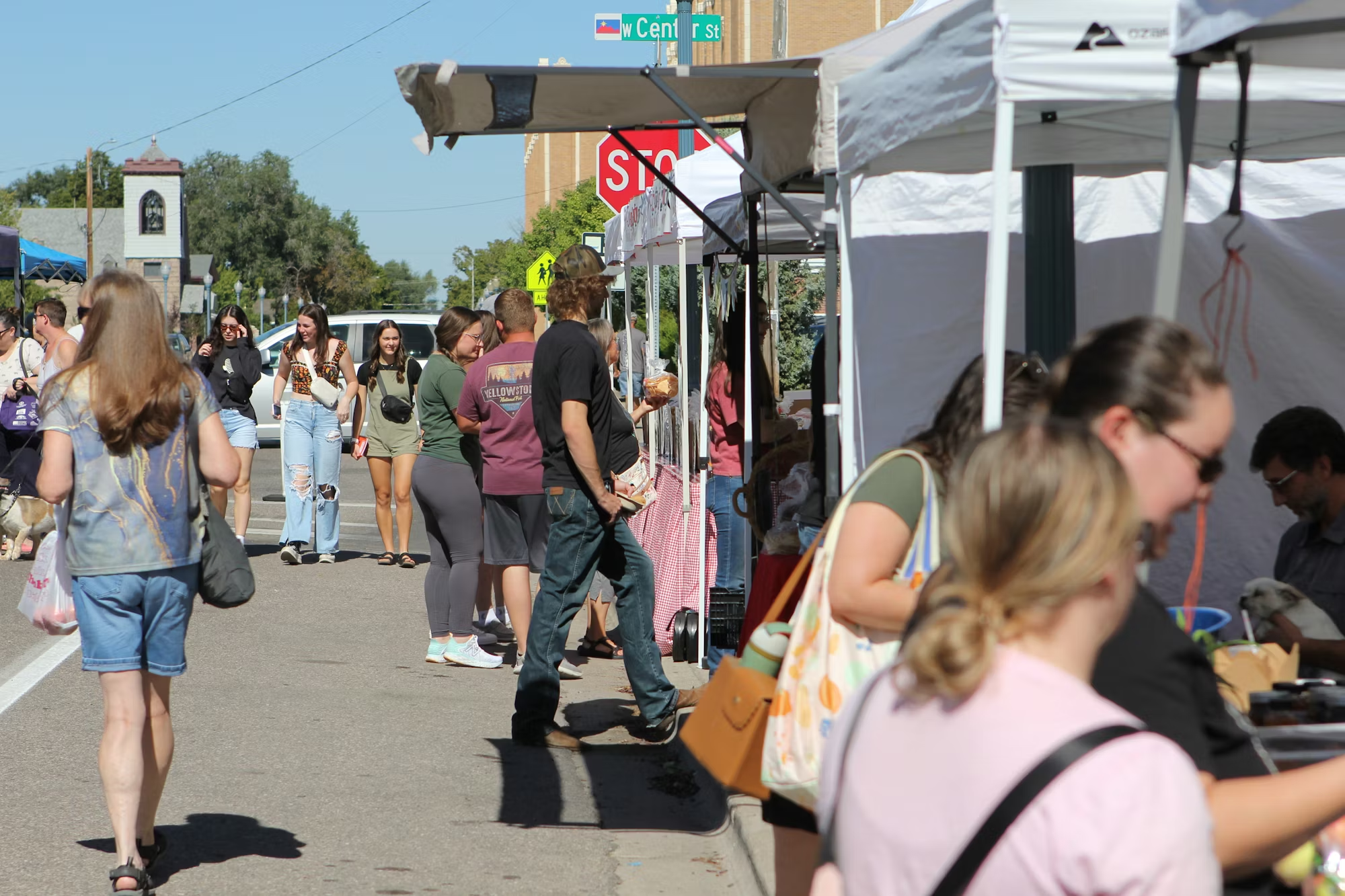
Local grocery stores and supermarkets are also embracing sustainability by reducing food waste and promoting local produce. Many retailers are now partnering with local farms to offer fresh, seasonal products, fostering a sense of community and supporting local economies. This shift towards sustainable practices not only benefits the environment but also resonates with consumers who are looking to make responsible purchasing decisions.
The importance of experiential retail cannot be overlooked in this evolving landscape. Retail shops are increasingly focusing on creating memorable experiences that engage customers beyond traditional shopping. Toy stores, for instance, are hosting interactive play sessions where children can test out new toys, encouraging families to spend time together in a fun environment. These experiences not only enhance customer loyalty but also help retailers differentiate themselves from online competitors.
Similarly, bookstores are reinventing themselves as community spaces by hosting author readings, workshops, and book clubs. By offering engaging events that foster a love for reading, these shops attract customers who appreciate the social aspect of shopping. This community-driven approach not only boosts sales but also creates a loyal customer base that feels personally connected to the store.
Another notable trend is the rise of subscription services, which are becoming increasingly popular among consumers. Retailers are offering subscription boxes that provide curated selections of products delivered to customers’ doors on a regular basis. This model is particularly appealing in the cosmetics and food industries, where consumers enjoy discovering new items tailored to their preferences. By creating a sense of anticipation and excitement, subscription services can drive customer retention and engagement.
Moreover, the digital payment landscape is evolving, with many retailers adopting contactless payment options to enhance convenience and speed. Payment solutions such as mobile wallets and QR code payments allow customers to complete transactions quickly and securely. This trend has become especially important in the wake of the pandemic, as consumers seek safer shopping experiences. By offering a variety of payment options, retailers can cater to diverse preferences and enhance customer satisfaction.
As the retail landscape continues to evolve, it’s clear that collaboration is key. Many retailers are forming partnerships with other businesses to create unique shopping experiences. For example, coffee shops are collaborating with bookstores to offer cozy reading nooks, while local bakeries may partner with grocery stores to provide fresh bread and pastries. These collaborations not only enrich the shopping experience but also foster a sense of community among local businesses.
In conclusion, the retail industry is navigating a new age marked by innovation and adaptability. As shops respond to changing consumer demands, they are embracing technology, sustainability, and experiential retail to enhance the shopping experience. By focusing on community engagement and personalized service, retailers can forge strong connections with their customers, ensuring their relevance in an ever-evolving marketplace. The future of retail lies in the ability to blend traditional values with modern innovations, creating a shopping experience that resonates with today’s consumers.